
The Engineer Who Walked Out With 14,000 Files and Cost Uber $245 Million
One engineer downloaded 14,000 files from Google’s self-driving car project. The lawsuit that followed cost Uber $245 million and showed how massive legal risks can exceed corporate insurance limits.
DIRECTORS & OFFICERS (D&O)
Elinaetly
4 min read
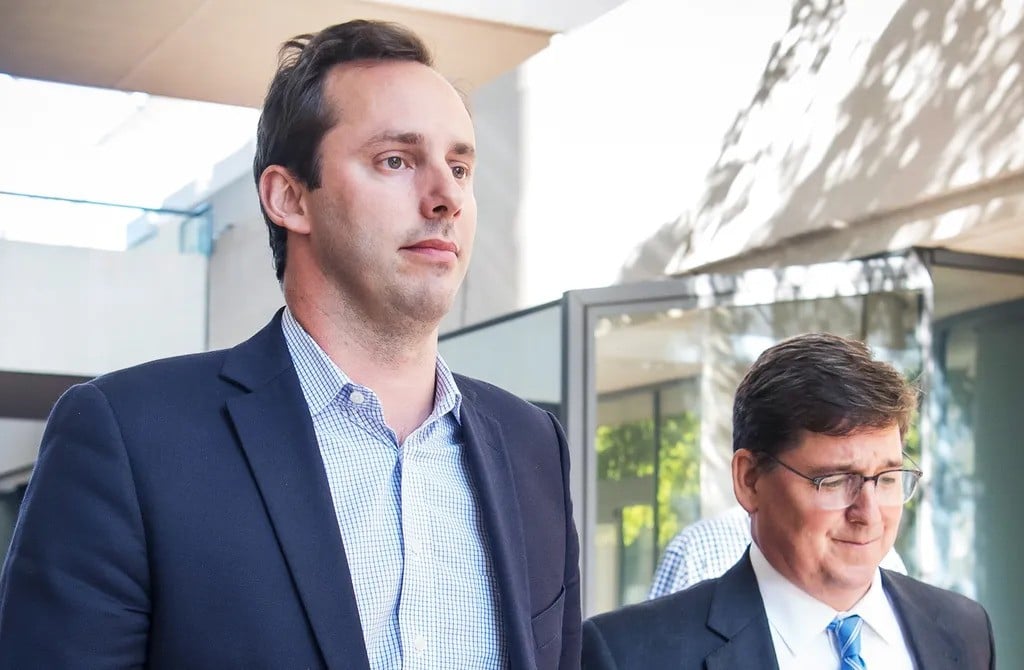
Anthony Levandowski
Self-driving car company Waymo and ride-hailing company Uber ended up in one of the biggest technology lawsuits Silicon Valley has ever seen. The fight was about trade secrets tied to self-driving cars. It also ended with Uber handing over equity worth about $245 million. If you run a company, manage risk, write code, or sign contracts, you might want to stick around for this story. It starts with one engineer and ends with a quarter-billion-dollar lesson.
Waymo began as a secret self-driving project inside Google. The mission was simple on paper. Build cars that drive themselves. That required extremely complex technology, especially sensors that allow a vehicle to understand the world around it. One of the most important pieces was LiDAR, a laser system that measures distance and maps the environment around the car. In the race to build autonomous vehicles, this kind of technology was worth billions.
One of the engineers working on the project was Anthony Levandowski. Inside the industry he was known as one of the best. The kind of engineer companies compete to hire. The kind of engineer founders brag about recruiting. But before leaving Google in 2016, investigators later said Levandowski downloaded around 14,000 confidential files from the company’s self-driving program. Fourteen thousand. If that number sounds large, that is because it is. Imagine someone leaving your company with fourteen thousand internal documents in their backpack. How comfortable would you feel about that?
Not long after leaving Google, Levandowski started a new startup called Otto. The company was focused on autonomous trucks. A few months later, Uber bought Otto in a deal worth about $680 million. Overnight, Levandowski became the head of Uber’s autonomous vehicle program. One day you are an engineer leaving a company. A few months later you are running a billion-dollar project at another one. Silicon Valley moves fast.
But Waymo started asking questions. How did Uber’s program seem to be moving so quickly? Were its engineers working from the same playbook? In 2017 Waymo filed a lawsuit in federal court accusing Uber of stealing trade secrets tied to self-driving technology. The lawsuit claimed Uber had gained access to more than 100 confidential trade secrets connected to autonomous vehicle systems.
The case landed in federal court in San Francisco in front of Judge William Alsup. Suddenly one engineer leaving a company turned into one of the biggest intellectual property trials in tech history. Inside court filings and testimony, the case exposed how aggressively companies were racing to win the autonomous driving market.
During the case Levandowski repeatedly invoked the Fifth Amendment when asked questions about the downloaded files. If you are a founder or executive, pause for a second and picture that moment. A key employee sitting in a courtroom refusing to answer questions because the answers could incriminate him. Not exactly the kind of slide you want showing up in your next board meeting.
Uber eventually fired Levandowski after he refused to cooperate with its internal investigation. But by then the legal fight was already moving forward.
The potential damages were enormous. Waymo’s lawyers argued that the value of the stolen technology could reach billions of dollars. At that point the case was not just about engineers and code. It was about corporate liability. The kind of liability that can make CFOs lose sleep.
Companies like Uber carry large insurance programs to help deal with lawsuits. These policies often help cover legal defense costs in major litigation. But trade secret cases can become complicated for insurers. Courts look closely at questions like intent and misconduct. If wrongdoing is tied to individuals, some insurance policies may not cover the damages.
In this case the trial did not run its full course. Only a few days after it began, the companies reached a settlement.
Uber agreed to give Waymo 0.34 percent of its equity. At the time that stake was worth about $245 million. No dramatic courtroom verdict. No billion-dollar judgment. Just a quarter-billion-dollar slice of the company changing hands.
Public reporting at the time showed that the payment came directly from Uber in the form of shares. No insurer stepped forward saying it covered the settlement. The financial hit was absorbed through Uber’s equity.
Think about that for a second. If you run a company, who signs off when a quarter of a billion dollars leaves the balance sheet? The CEO? The board? The CFO? Probably all of them.
Levandowski’s legal problems were not finished either. The U.S. Department of Justice later charged him with trade-secret theft. In 2020 he pleaded guilty to one count and was sentenced to 18 months in prison.
The Waymo Uber case is now remembered as one of the biggest trade secret battles Silicon Valley has seen. It involved cutting-edge technology, billion-dollar companies, and one engineer who walked out the door with thousands of files.
But if you are reading this as a founder, an engineer, a CFO, or the person responsible for risk at your company, you might notice another part of the story. A lawsuit that could have reached billions. A settlement worth $245 million. Paid in company equity.
So here is the uncomfortable question sitting quietly underneath the entire case. When your company faces a lawsuit, how much of the bill does insurance actually cover. And how much of it comes straight out of the company itself.
Most companies do not think about that question until the courtroom doors open.
Legal
No spam. Unsubscribe anytime.
Explore
Business insurance, simplified.
Contact
Join the Newsletter
© 2026 Elinaetly. All rights reserved.