
The Engineer Who Walked Out With 14,000 Files and Cost Uber $245 Million
Self-driving car company Waymo and ride-hailing giant Uber were at the center of one of the biggest technology lawsuits in Silicon Valley history. The fight was about trade secrets related to self-driving cars. The case showed how valuable autonomous driving technology had become and how far companies were willing to go to protect it.
Waymo started as a secret self-driving car project inside Google. The project focused on building software and sensors that could allow cars to drive themselves without human drivers. One of the most important pieces of this technology was a sensor called LiDAR. LiDAR uses lasers to measure distance and helps a self-driving car understand the world around it.
One of the engineers working on this project was Anthony Levandowski. He was considered one of the top experts in autonomous driving technology. But before leaving Google in 2016, investigators later said he downloaded about 14,000 confidential files from the company’s self-driving program. The files reportedly included detailed engineering designs and technical documents connected to the LiDAR system.
Soon after leaving Google, Levandowski started a new company called Otto. Otto was focused on building self-driving trucks. Just a few months later, Uber bought Otto in a deal worth about $680 million. The deal also put Levandowski in charge of Uber’s autonomous vehicle program. Uber was trying to build its own self-driving technology so it could one day run driverless ride-hailing cars.
Waymo believed the situation looked suspicious. The company believed its trade secrets had moved from Google to Uber through Levandowski. In 2017, Waymo filed a lawsuit in federal court accusing Uber of stealing important self-driving technology. The lawsuit said Uber gained access to more than 100 trade secrets related to autonomous vehicle systems.
The case quickly became one of the biggest intellectual-property battles in Silicon Valley. The trial took place in federal court in San Francisco in front of Judge William Alsup. The case exposed many internal details about how self-driving car companies were racing to build the technology first.
During the trial, Levandowski refused to answer many questions and repeatedly used the Fifth Amendment, which allows a person to avoid answering questions that might incriminate them. Uber eventually fired him after he refused to cooperate with its internal investigation into the downloaded files.
The lawsuit could have cost Uber a huge amount of money. Waymo’s lawyers argued the damages could reach billions of dollars. Instead of continuing the trial, the companies suddenly reached a settlement only a few days after the trial began.
As part of the deal, Uber agreed to give Waymo 0.34 percent of Uber’s shares, which at the time were worth about $245 million. Uber also promised not to use Waymo’s confidential technology in its self-driving car program. The settlement ended the lawsuit but did not erase the damage to Uber’s reputation.
Levandowski later faced criminal charges from the U.S. government for stealing trade secrets. He eventually pleaded guilty to one charge and was sentenced to 18 months in prison. The case became one of the most famous examples of trade-secret theft in the technology industry.
The case also showed something important about corporate insurance. Large technology companies often carry legal liability insurance to help cover lawsuits. But lawsuits this large often go far beyond normal insurance limits. Settlements in the hundreds of millions of dollars usually mean the company must pay most of the cost itself.
The Waymo-Uber case is still remembered as one of the biggest technology lawsuits of the past decade. It showed how valuable self-driving car technology had become and how dangerous intellectual-property disputes can be for companies racing to build the future of transportation.
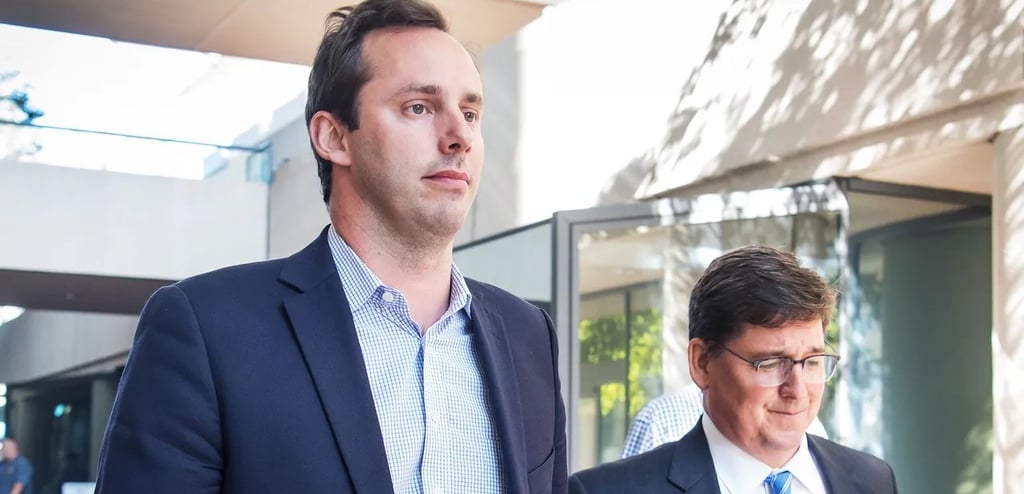
Anthony Levandowski
Contact
Contact@elinaetly.com
News Home About Contact Privacy Policy Terms and Conditions Disclaimer
© 2026 Elinaetly. All rights reserved.
Navigation
Business Insurance Newsletter Trusted by the People Building and Running Today’s Most Important Companies.